Membrane Protein Stabilisation Application of Lipodisq®
Lipodisq® Polymer Reagents Poly(Styrene-maleic acid salts) & Poly(Styrene-maleic anhydride) For Membrane Protein Study
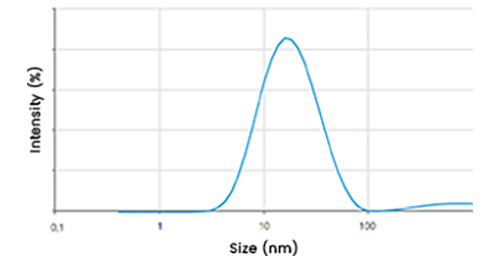
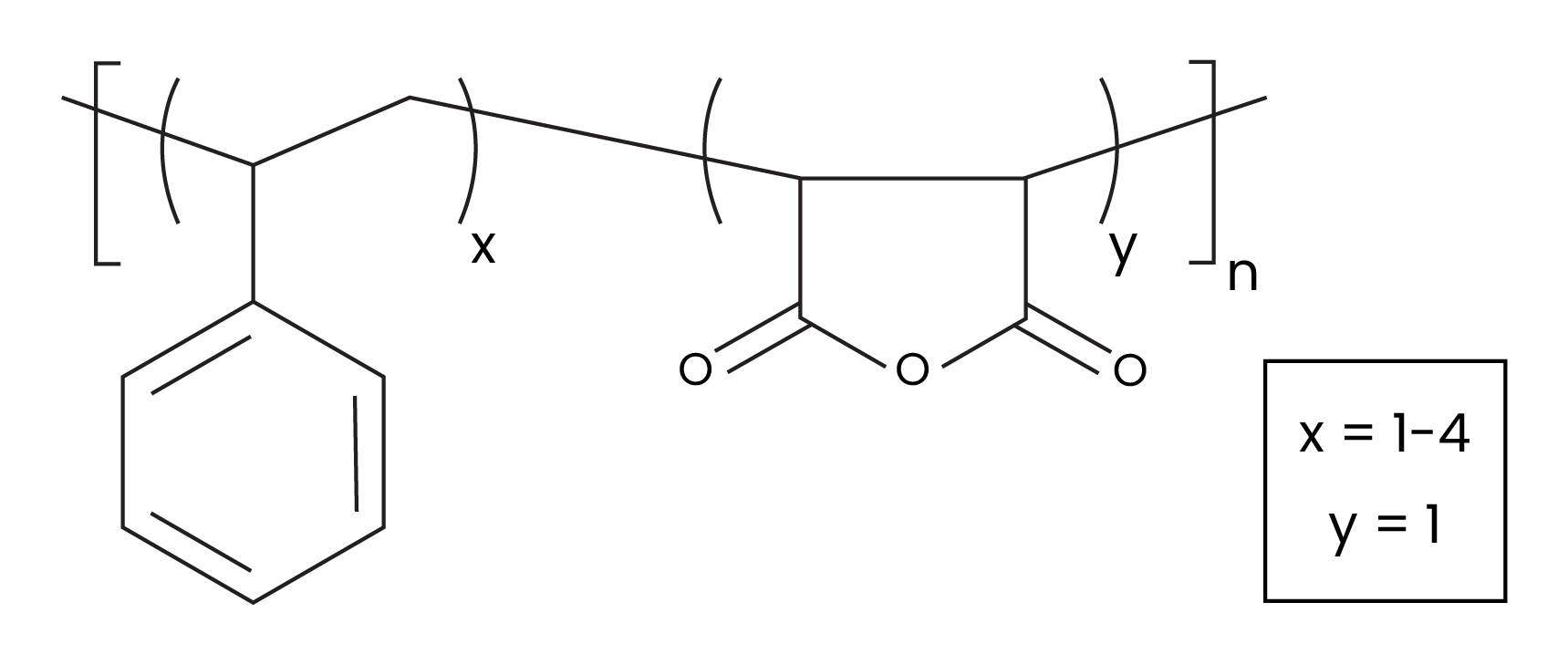
Lipodisq® Polymer Reagents represent innovative polymers incorporating styrene and maleic acid monomer units. These polymers represent the first in-class range of polymers to form nano-sized lipid-based discoidal particles, making them ideally-suited for the incorporation of membrane proteins. The Lipodisq® technology stands out for its capacity to solubilize widely used lipids, including dimyristoylphosphatidylcholine (DMPC), without the need for additional detergents. Within the scientific literature, these particles are also frequently referred to as SMALPs or Native Nanodiscs and typically exhibit a diameter ranging from 9-10 nm.
Selecting Your Lipodisq® Polymer Reagent
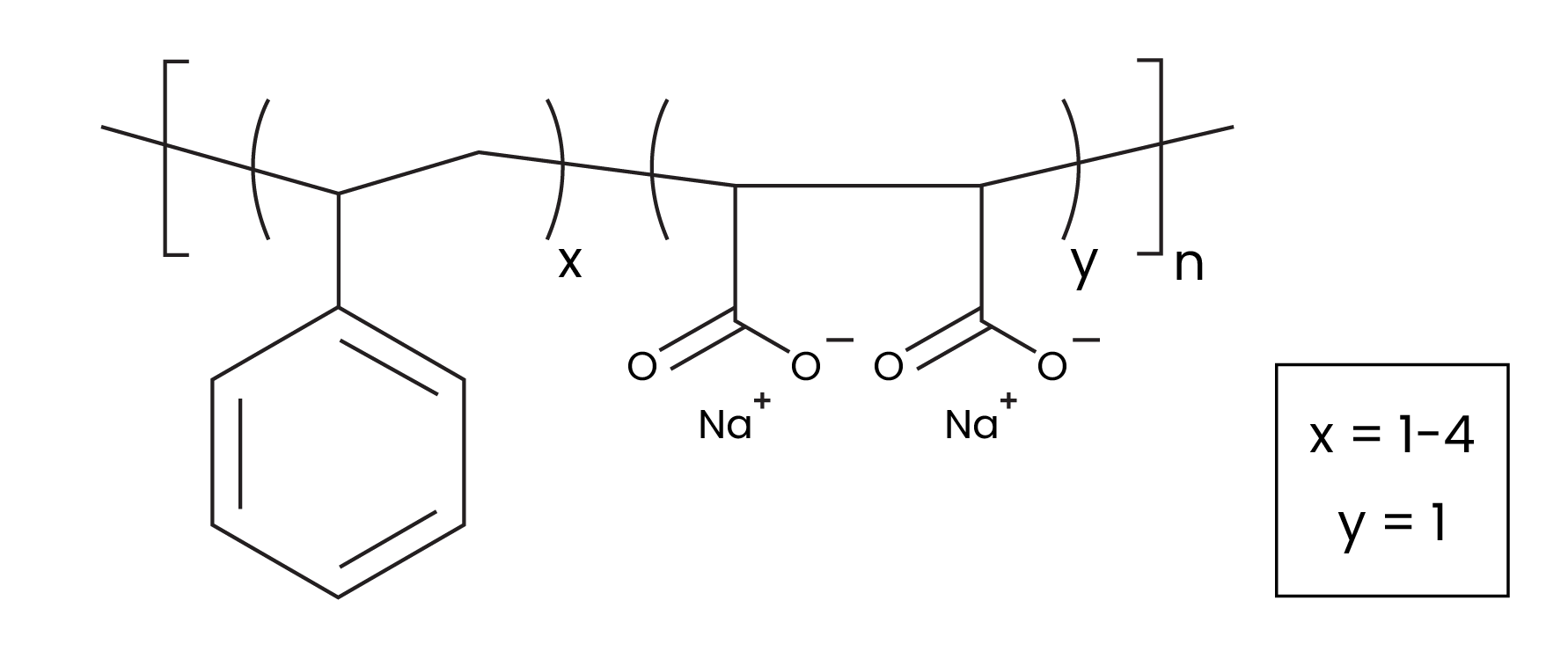
For ease of use, all grades of Lipodisq® polymer reagents are available as Poly(styrene-maleic acid) in a pre-hydrolysed form (sodium salt), and are readily soluble in aqueous solution. For researchers preferring to hydrolyse their own Lipodisq® polymer reagents, all grades are also available in the styrene maleic anhydride form.
Poly(Styrene-maleic acid)
Poly(Styrene-maleic anhydride)
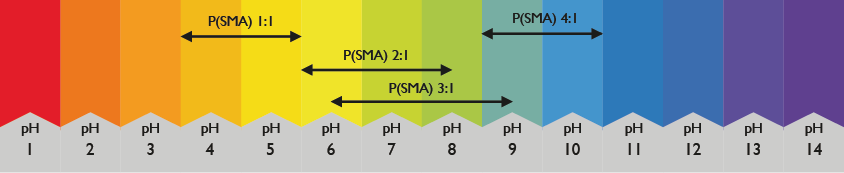
To maximise membrane protein stability and experimental outcomes, Lipodisq® polymers are available in four defined structures. The ratio of styrene to maleic acid/anhydride is tailored to allow the user to produce Lipodisq® particles within the optimum pH range for their chosen protein of study. Lipodisq® polymers cover an operational pH range of 3.50—10.50 depending on the Styrene:Maleic acid ratio selected:
Micro to Macro Nano-Particle Sizes
Adjusting Lipodisq® solutions to the limits of their optimal pH enables Lipodisq® particles to be formed with an increased particle size to accommodate larger membrane protein complexes.
Lipodisq® Grade
Functional pH Range
Mw
MN
Catalogue
Reference
Lipodisq® P(SMA) 1:1 Prehydrolysed
3.50—5.50
5,500
2,100
LDQ1:1PHR
Lipodisq® P(SMA) 1:1
3.50—5.50
5,500
2,100
LDQ1:1
Lipodisq® P(SMA) 2:1 Prehydrolysed
5.50—8.00
7,500
2,700
LDQ2:1 PHR
Lipodisq® P(SMA) 2:1
5.50—8.00
7,500
2,700
LDQ2:1
Lipodisq® P(SMA) 3:1 Prehydrolysed
6.00—9.00
9,500
3,050
LDQ3:1 PHR
Lipodisq® P(SMA) 3:1
6.00—9.00
9,500
3,050
LDQ3:1
Lipodisq® P(SMA) 4:1 Prehydrolysed
8.50—10.50
10,500
4,500
LDQ4:1 PHR
Lipodisq® P(SMA) 4:1
8.50—10.50
10,500
4,500
LDQ4:1
Thriving Research Community
Lipodisq® Polymers are supplied to industrial and academic partners throughout the world. A thriving community exploring the use of Lipodisq® Polymers for membrane and protein research has generated hundreds of published scientific papers in academic journals and continues to drive forward the value and areas of application of Lipodisq® Technology. A series of dedicated conferences are held each year in the EU and US by the enthusiastic members of the SMALP community to advance the understanding of this technology.
The impact of Lipodisq® technology on membrane protein research is growing beyond methodology into transformative breakthroughs . . .
To aid your research and access to Lipodisq® Polymers for membrane protein research, Lipodisq® products are also available from our commercial distribution partners below.