

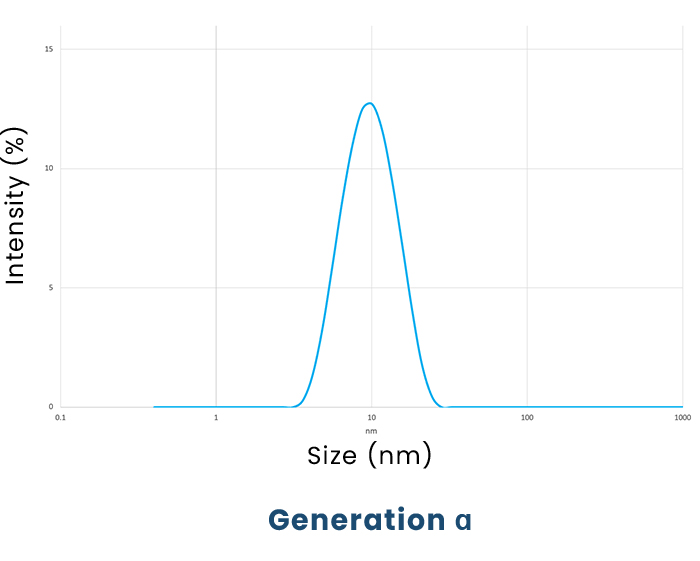
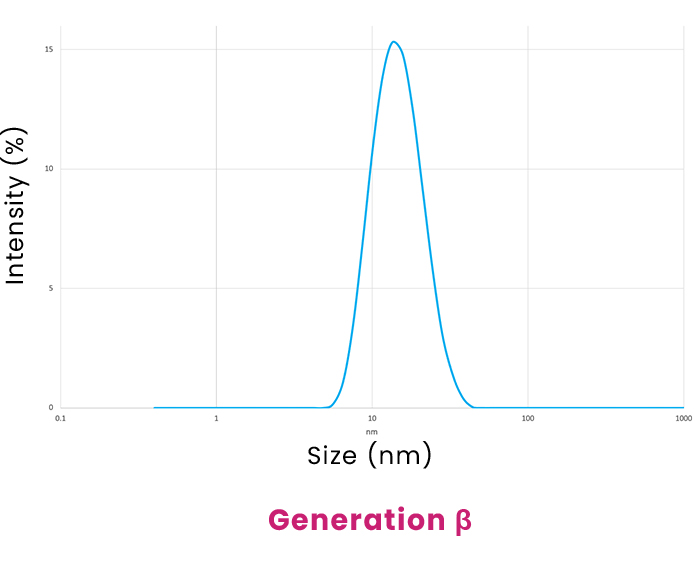
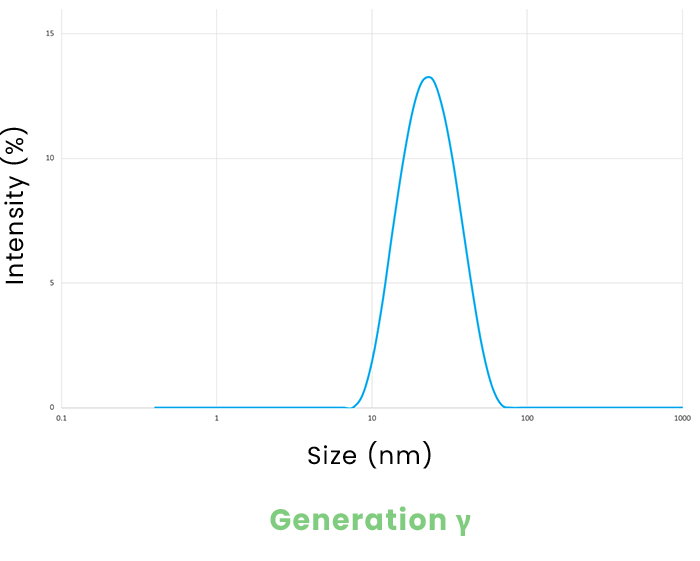
Inspired by the structure of naturally occurring High Density Lipoprotein (HDL) endogenous in the human body, Lipodisq® are self-assembling nano structures, 10-40nm in size. Our patented technology, Lipodisq®, has been engineered in multiple formats, ɑ, β, and γ to facilitate use of its ground breaking properties across multiple market sectors.
The core aspects of all Lipodisq® particles remain the same; utilising a phospholipid membrane stabilised by an annulus chaperone molecule, constituents are interchangeable depending upon the intended use for the Lipodisq® particle.
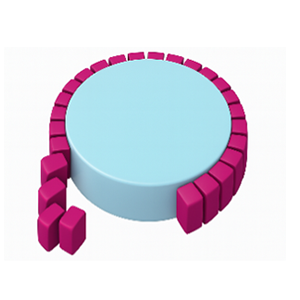

Polymeric chaperone molecules based on Poly(styrene-maleic acid)
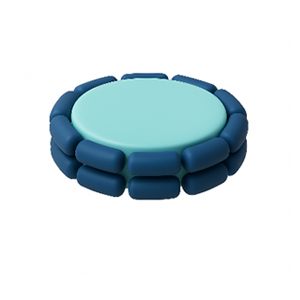
Surfactant chaperone molecule, conventional surfactants used in cosmetic and pharmaceutical industries
Fully degradable, naturally derived surfactant chaperone molecule, developed specifically for natural cosmetic and nutraceutical industries
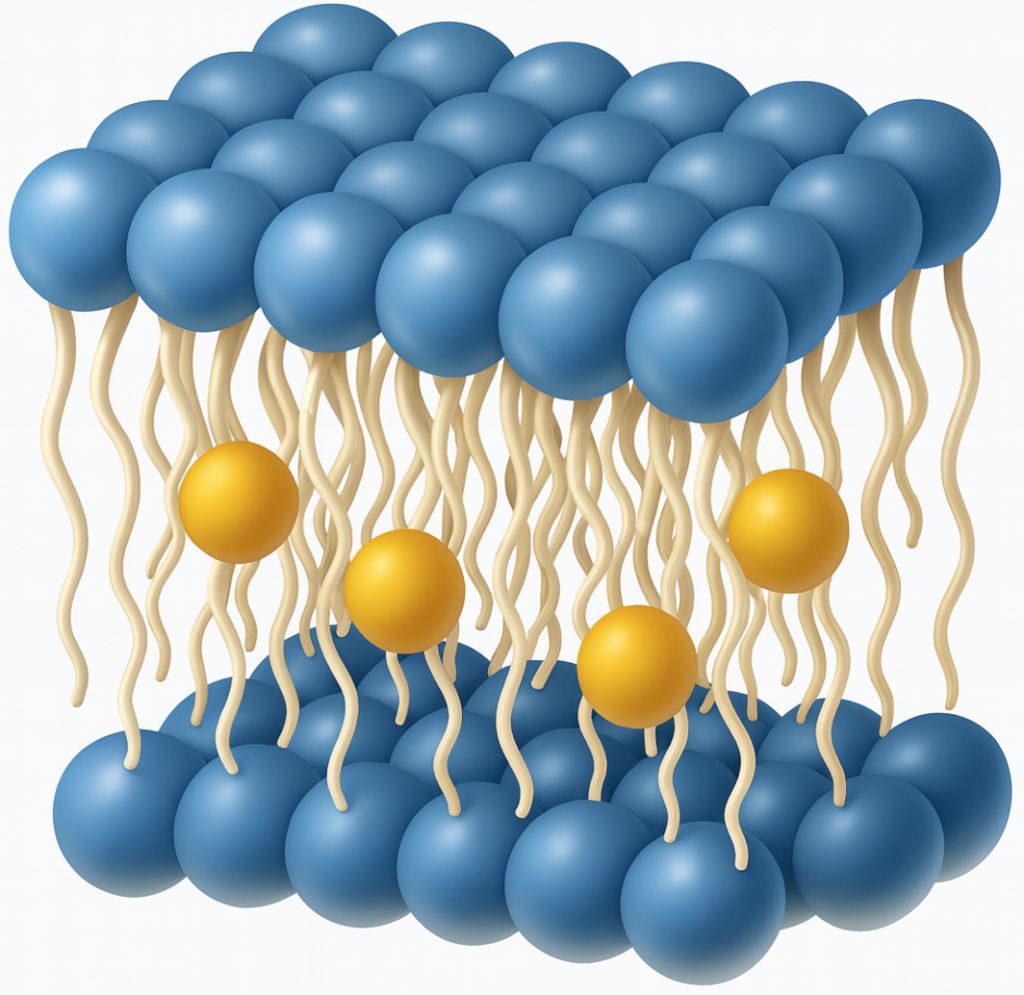
A phospholipid membrane manifests as a bilayer in aqueous environments, orientating all of the hydrophobic fatty acid chains of the individual phospholipid molecules towards the centre of the disc structure. This represents an intensely hydrophobic inner core of the particle which is capable of encapsulating hydrophobic structures whilst the exterior of the particle remains hydrophilic. Hydrophobic materials are thereby rendered water soluble and separated from to the aqueous surrounding medium.
Lipodisq® particles spontaneously assemble in the presence of cargo molecules (cosmetic actives, drugs or proteins) to produce nanoparticles in the size range 10-40nm, depending on their structural components and the cargo concentration.
Under storage conditions Lipodisq® remain stable, without particle size change.
Lipodisq® show high water solubility, despite the fact that they contain highly water insoluble materials within the hydrophobic phospholipid membrane core.
In contrast to other carrier systems such as Liposomes, LNPs etc., which typically exhibit a loading capacity of approximately 5% dry weight, Lipodisq® can carry up to 20% active by dry weight.
Unlike micellar systems that break down upon dilution, Lipodisq® is structurally stable and maintains its integrity upon dilution.
Personal Care
Protein/Membrane
Nutraceutical
Natural, high purity phospholipids derived from Soy/sunflower lecithin
Food grade surfactant/emulsifier technology
All components are approved for nutraceutical use
Compatible with a wide range of conventionally used excipients
Suitable for tableting, capsules and liquid dispersants
Pharmaceutical
Compositions Comprising a Lipid and Copolymer of Styrene and Maleic Acid.
AU2006253886, CA2611144, CN101184473B (CN ZL200680018957.2), EP1890675, GB2426703, IN261468, JP5142898, US8623414
Compositions Comprising Macromolecular Assemblies of Lipid and Surfactant.
AU2007327054, CN101583339B (CN ZL200780044148.3), GB2445013 (spilanthes), GB2464393, JP6567575, SA2009/02939
Third Generation patent application covers non-degradable SMA, Styrene:Maleic Acid 1:1 counterion modified, pH tailored SMA-lipid sytems: WO/2021/005340A1
In association with the University of Oxford:
Orwick MC, Judge PJ, Procek J, Lindholm L, Graziadei A, Engel A, Gröbner G, Watts A.
Orwick-Rydmark M, Lovett JE, Graziadei A, Lindholm L, Hicks MR, Watts A.
Bada Juarez JF, Harper AJ, Judge PJ, Tonge SR, Watts A.
Goddard AD, Dijkman PM, Adamson RJ, dos Reis RI, Watts A.
Bada Juarez JF, O’Rourke D, Judge PJ, Liu LC, Hodgkin J, Watts A.
Bada Juarez JF, Muñoz-García JC, Inácio Dos Reis R, Henry A, McMillan D, Kriek M, Wood M, Vandenplas C, Sands Z, Castro L, Taylor R, Watts A.
Torgersen ML, Judge PJ, Bada Juarez JF, Pandya AD, Fusser M, Davies CW, Maciejewska MK, Yin DJ, Maelandsmo GM, Skotland T, Watts A, Sandvig K.
Lavington S, Watts A.
Hoi KK, Bada Juarez JF, Judge PJ, Yen HY, Wu D, Vinals J, Taylor GF, Watts A, Robinson CV.